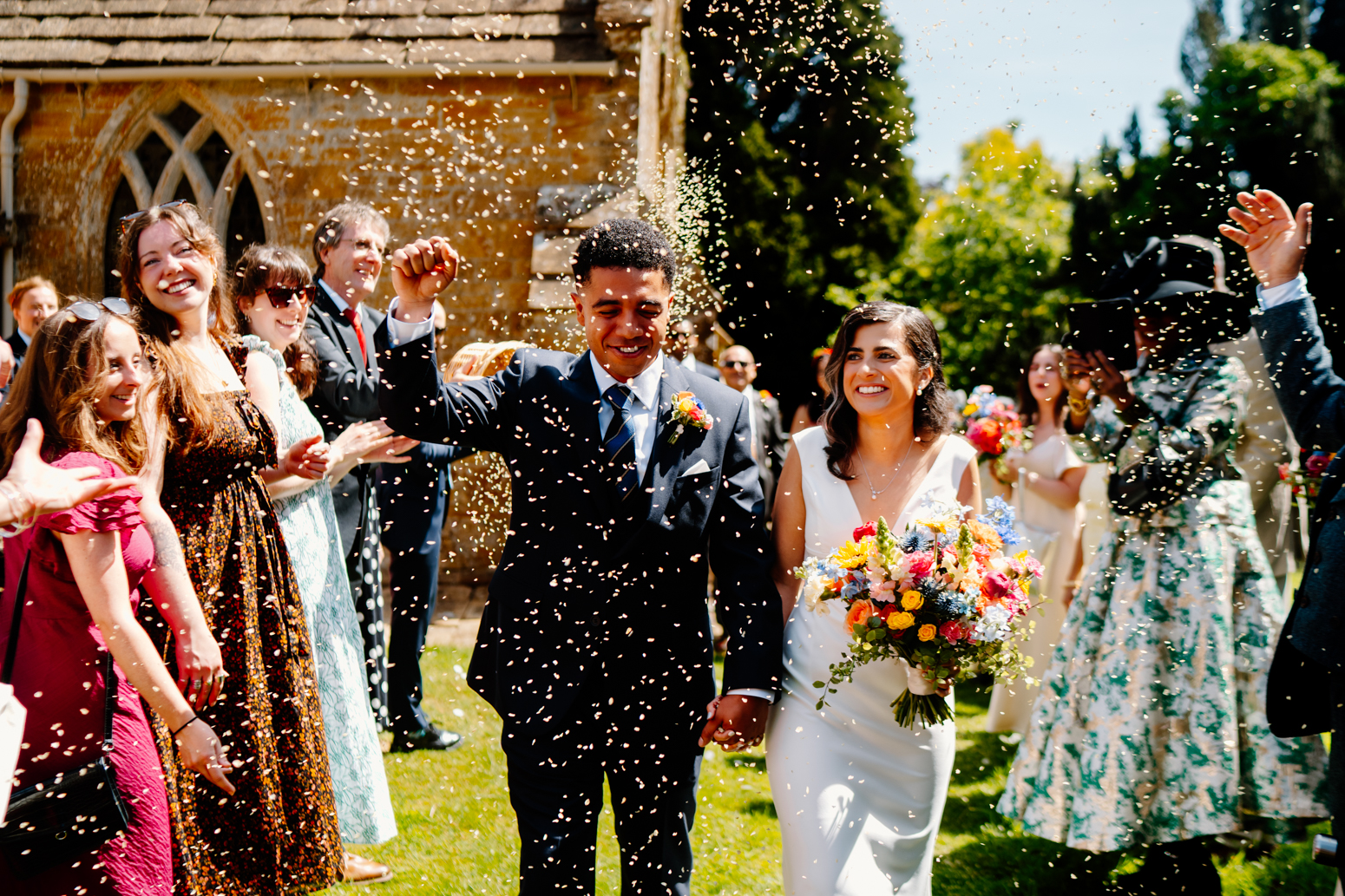
How to Choose a Multicultural Wedding Photographer | UK
How to Choose a Wedding Photographer for a Multicultural Wedding
Planning a multicultural wedding can be one of the most beautiful ways to celebrate who you are as a couple. You’re not just bringing two people together. You might be bringing together different cultures, religions, languages, families, traditions and completely different ideas of what a wedding is supposed to look like.
And personally, I think that’s what makes them so good.
I’ve photographed weddings where traditions sit alongside modern choices, where one part of the day feels completely different to the next, where families have travelled from different parts of the world and where the dance floor becomes the place that somehow brings absolutely everyone together.
But it also means choosing the right wedding photographer matters.
Because photographing a multicultural wedding isn’t simply about turning up with a camera and taking nice photographs. Your photographer needs to understand that there may be more layers to the day, more people who are important, more traditions that can’t be repeated and sometimes more than one definition of what the “important moments” actually are.
So if you’re planning a multicultural or interracial wedding, here are some of the things I’d recommend looking for.
Look beyond the words “inclusive photographer”
I’m going to start here because it’s probably the biggest one.
Lots of photographers describe themselves as inclusive, welcoming or happy to photograph everybody.
That’s great. But I’d always recommend looking at their actual work too.
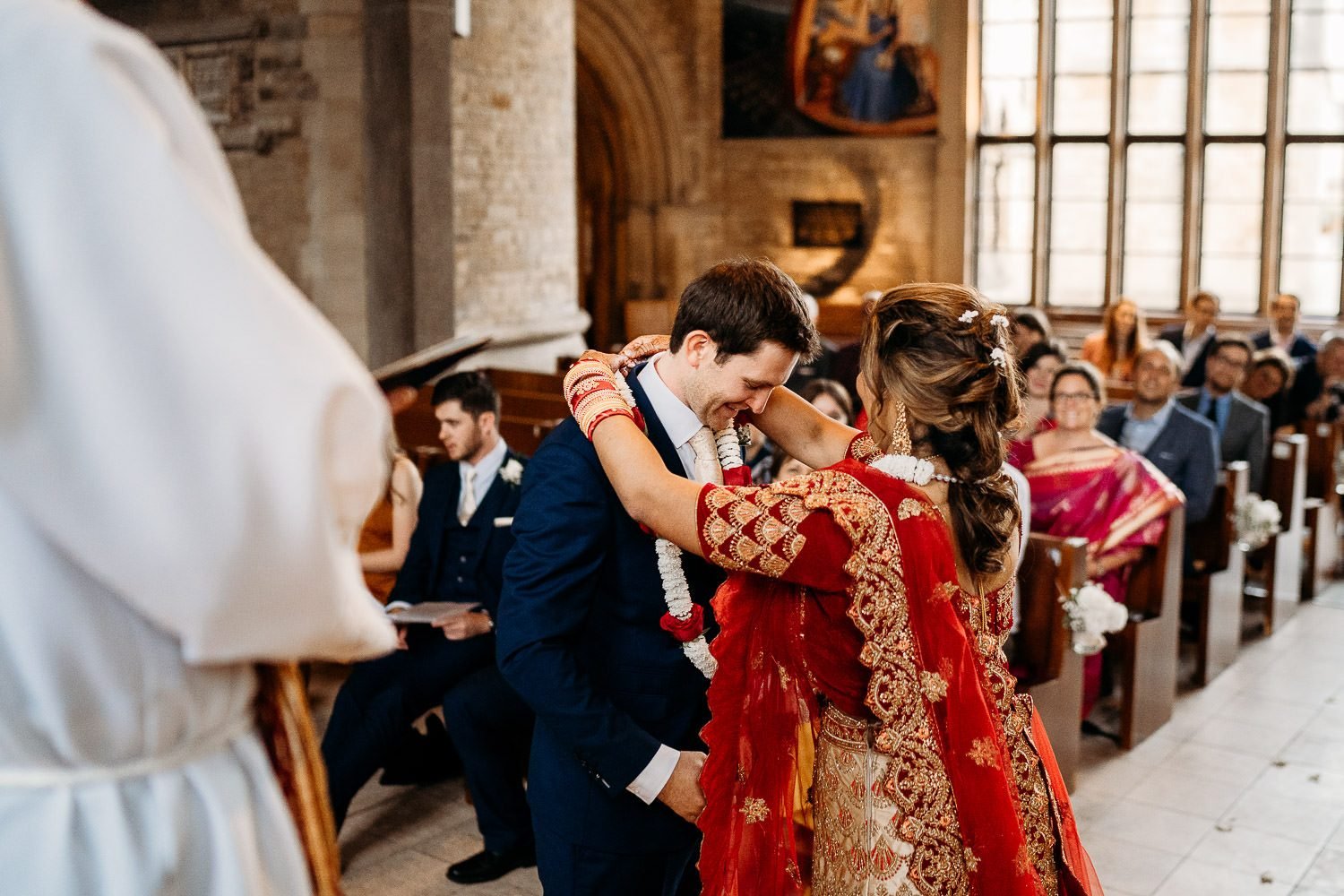
Who appears in their portfolio?
Are there Black and brown couples? Interracial couples? Queer couples? Different body types? Different ages? Different kinds of families?
More importantly, how are those people photographed?
Representation within a portfolio tells you far more than a sentence at the bottom of an About page.
This is something couples themselves talk about when looking for photographers. People planning multicultural weddings specifically mention wanting photographers who are comfortable working across different cultures, religious spaces and skin tones, rather than simply someone who says they’re open to doing so.
You should be able to look through someone’s work and imagine yourself within it.
Make sure they know how to photograph different skin tones
This is particularly important for interracial couples.
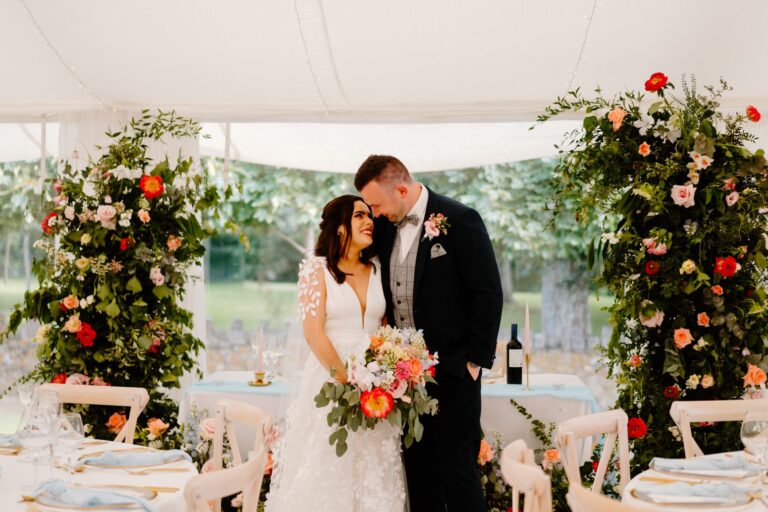
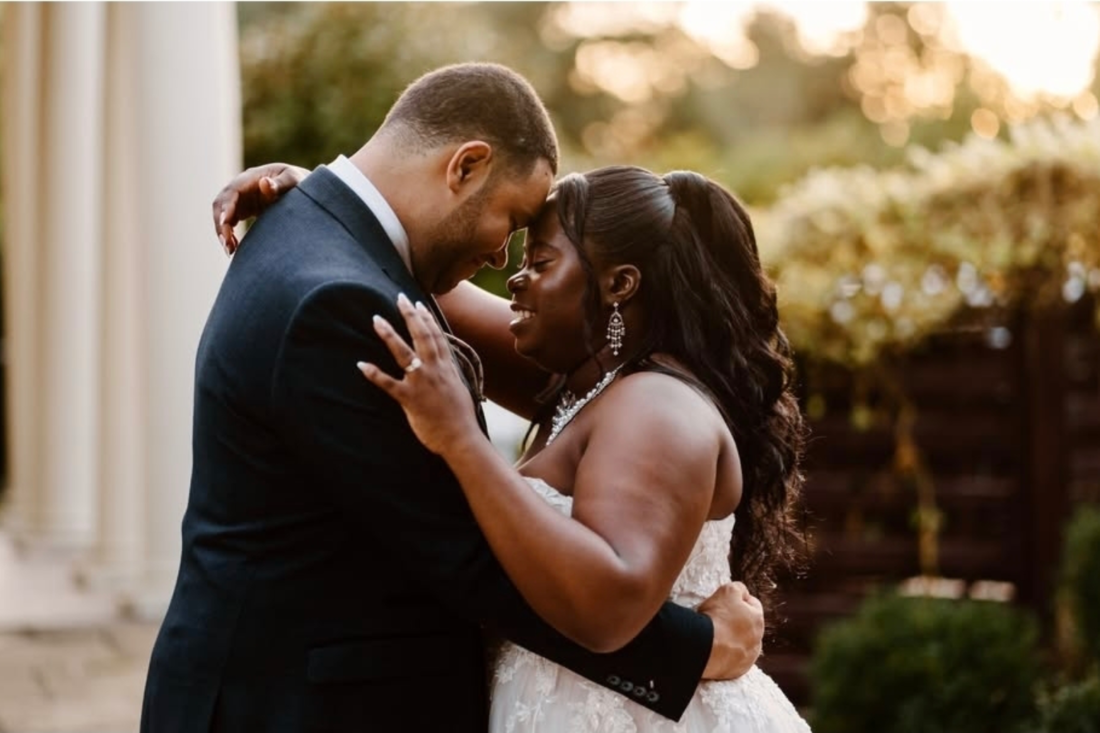
Photographing two people with significantly different skin tones isn’t impossible or something that needs to be made into a massive technical drama. But your photographer does need to understand light, exposure and editing well enough to make sure both of you look like yourselves.
You don’t want one person beautifully exposed while the other person’s skin has been completely lifted, washed out, darkened or turned orange by an editing preset.
As a Black photographer, accurate skin tones are something I’m incredibly conscious of in all of my work, not only weddings.
Skin should still look like skin.
And when I’m photographing an interracial couple, I’m thinking about how the light is falling across both people rather than treating one skin tone as the default that everything else has to be adjusted around.
If you’re unsure about a photographer, ask to see a full gallery containing people with different skin tones.
Not just their Instagram.
A full wedding gallery will show you how they handle bright sunshine, window light, dark ceremony spaces, artificial lighting, speeches, flash photography and dance floors.
That’s far more useful than ten perfectly selected golden-hour photographs.

Your photographer doesn’t need to know every tradition
I actually think this is an important distinction.
There are hundreds of cultures, religions, traditions and regional variations within those traditions. Even two families from the same cultural background might celebrate completely differently.
So I don’t think a good multicultural wedding photographer needs to walk into every wedding already knowing absolutely everything that’s going to happen.
What matters is that they’re willing to learn.
Before your wedding, your photographer should be asking questions.
Are there particular traditions happening during the ceremony?
Is there something your family is doing that has a lot of significance?
Are there moments where photography isn’t permitted?
Are there people who will play an important role in a ceremony?
Is there something happening that might not be obvious to somebody outside of your culture?
Good wedding photography involves anticipation.
If I know something important is about to happen, I can position myself properly, understand who I need to be watching and make sure I’m ready for it.
I’d much rather ask you a question beforehand than assume I understand something and miss an important moment.
Pay attention to how they talk about culture
This one is subtle, but I think it matters.
Your culture isn’t a wedding photography prop.
Traditions aren’t there simply because they’re colourful or visually interesting.
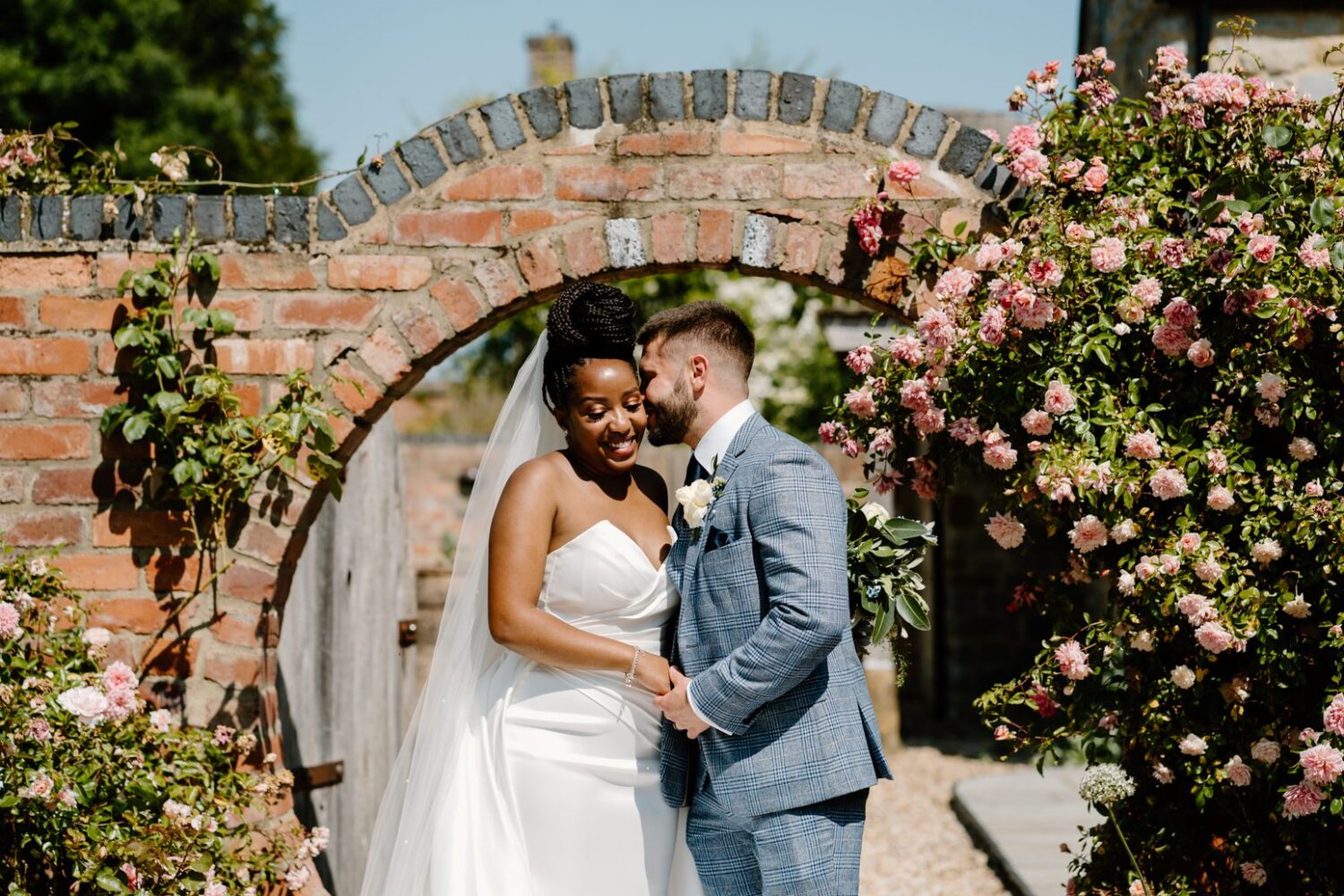
When I photograph a cultural tradition, I’m interested in what it means to the people involved as much as how it looks.
Sometimes the most important photograph isn’t actually the obvious one.
It might be a parent’s expression during a ceremony.
A grandparent watching something they’ve experienced at weddings for decades.
Someone helping you into an item of clothing.
A relative quietly explaining a tradition to somebody from the other side of the family.
Those photographs give context to everything else.
Multicultural wedding photography should still be storytelling. The culture is part of the story rather than something being photographed from the outside because it looks interesting.

Tell them who matters
Every family is different, but I’ve found this particularly important when photographing weddings where two families or cultures are coming together.
Your photographer needs to know who your people are.
And I don’t just mean who’s on the formal group photograph list.
Tell us about your grandmother who’s travelled halfway across the world to be there.
Tell us that your aunt essentially raised you.
Tell us which cousins are basically siblings.
Tell us if your best friend has been absorbed into the family so completely that nobody actually remembers they’re technically not related.
These things matter.
Because documentary wedding photography is about relationships.
If I understand those relationships, I know where to look.
I can notice the hug happening behind you while you’re getting ready. I can recognise why someone crying during the ceremony matters. I know which reactions are worth watching during the speeches.
That’s how a wedding gallery starts to feel like your family rather than simply a collection of photographs of people at a wedding.
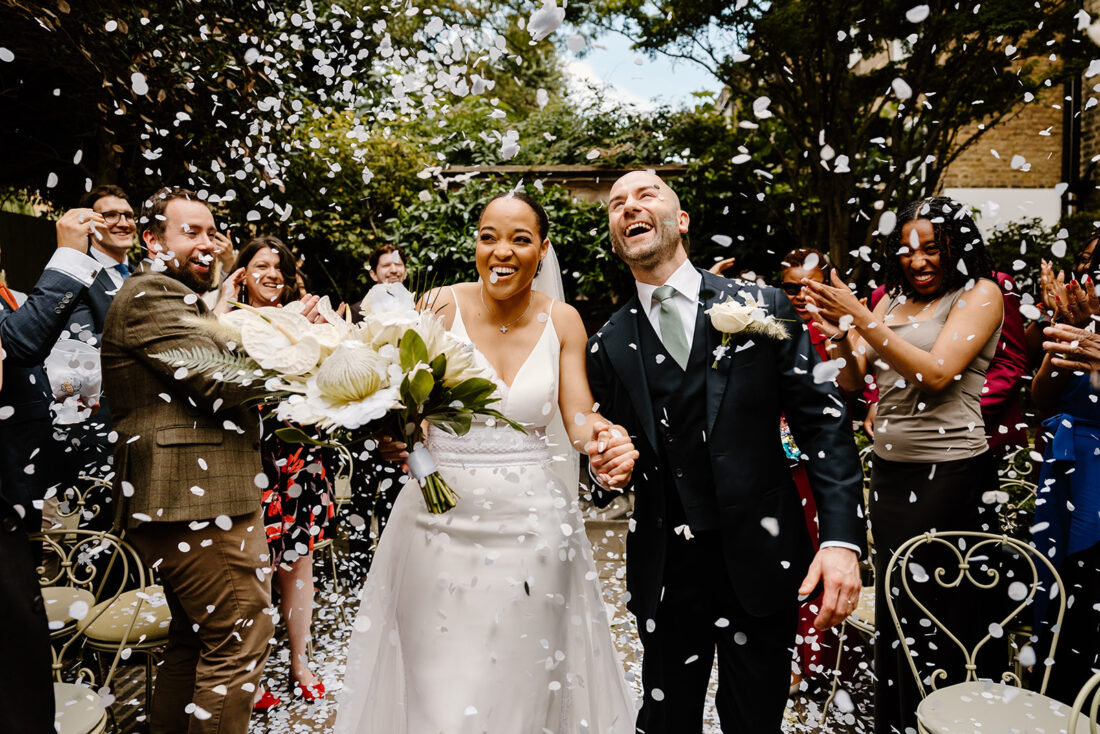
Think about the structure of your day
Not every wedding follows the standard:
Getting ready → ceremony → drinks → dinner → speeches → dancing.
And thank God for that, because weddings would get incredibly boring to photograph.
Multicultural weddings can involve multiple ceremonies, outfit changes, blessings, religious traditions, extended family photographs, different venues or celebrations that span more than one day.
All of that needs to be considered when you’re deciding how much photography coverage you actually need.
If you’re having two ceremonies, for example, nine hours of photography might disappear far more quickly than you’d expect.
The same applies if you’re getting ready in completely separate locations or if there are important events happening simultaneously.
This is also where having a second photographer can be incredibly useful.
One photographer can stay with one side of the family while another photographs something happening elsewhere. It means you don’t necessarily have to choose which part of your story gets documented.
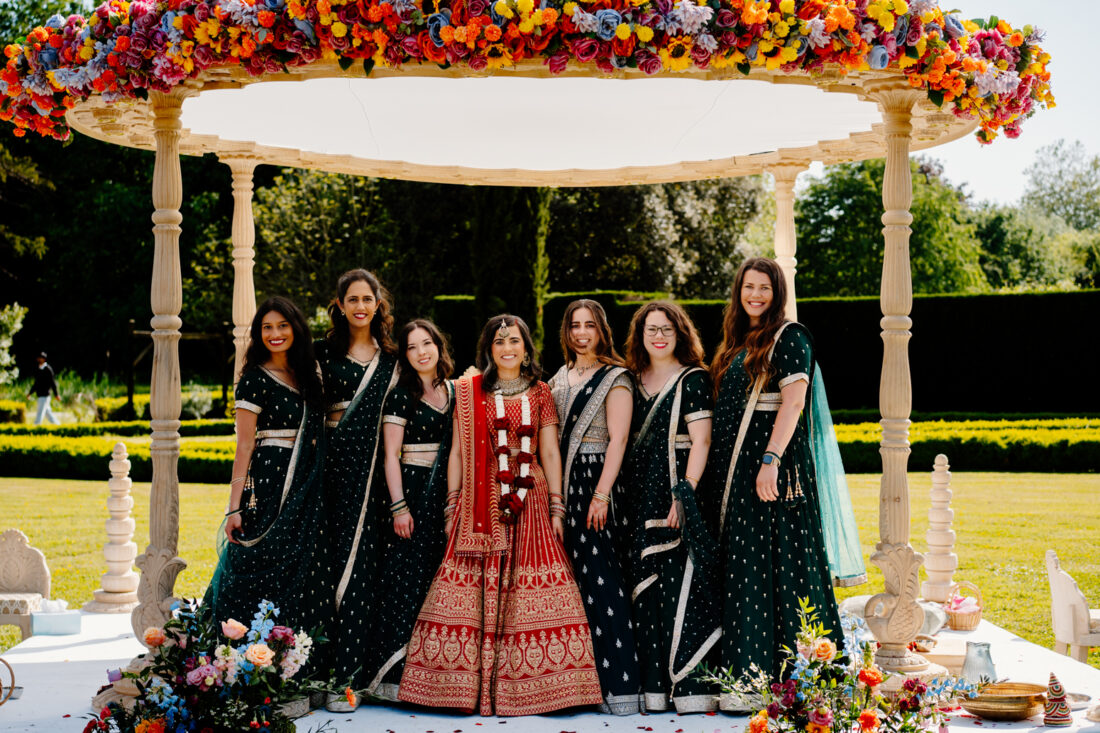
Don’t underestimate family photographs
I love documentary wedding photography, but I’m also a massive advocate for taking the family photographs that actually matter.
Because those photographs become more important with time.
At multicultural weddings, the family photograph list can sometimes be slightly bigger than average, particularly when extended family plays a significant role.
That’s completely fine.
But we need to plan for it.
Twenty different combinations don’t magically happen in ten minutes, no matter how optimistic the wedding timeline might be.
I’d rather know beforehand that family photographs are important to you and build enough time into the day than have you feeling rushed through them.
It can also really help to nominate someone from each side of the family who knows everyone and isn’t afraid to shout people’s names.
Every wedding needs that person.
I will happily organise photographs, but I cannot identify your mum’s cousin Sandra from a crowd of 150 people through intuition alone.
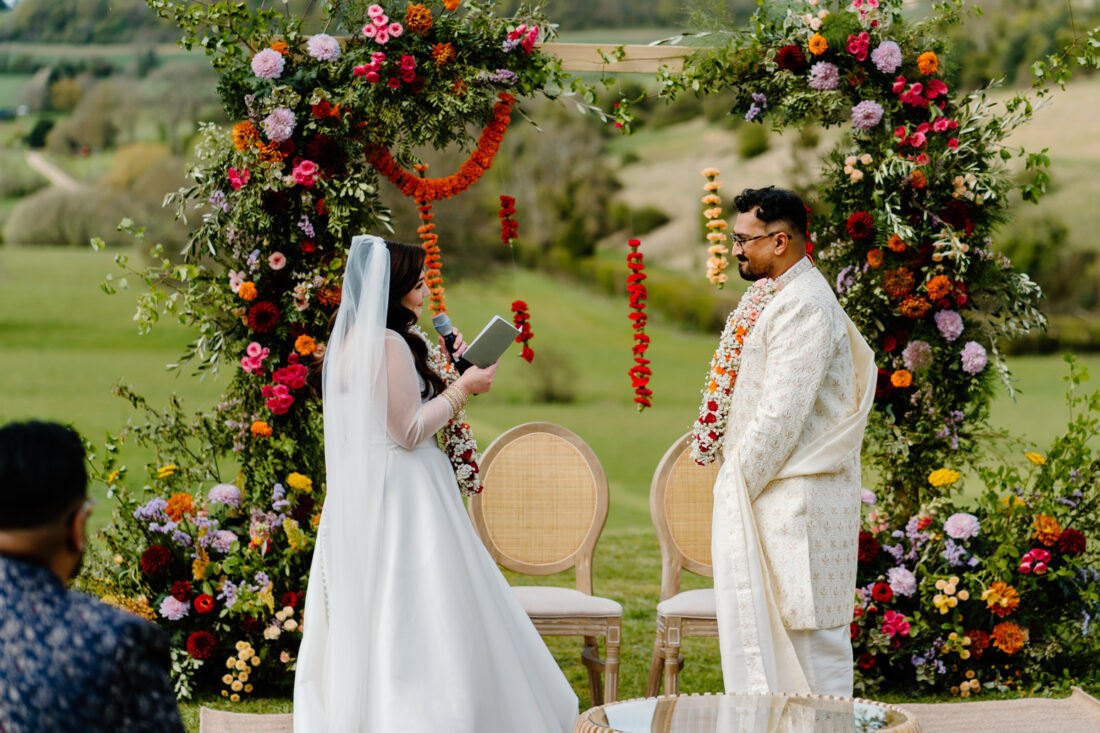
Choose someone whose photography feels like you
Cultural experience is important, but you should still love the photographer’s actual work.
Do you want photographs that feel natural and documentary?
Something more editorial?
Very traditional and posed?
Bright and colourful?
Dark and cinematic?
A mixture?
Personally, I love photographs that feel like something.
I want the massive moments, obviously, but I also want the things you didn’t know happened.
The friend already crying before you’ve even entered the ceremony.
Your parents looking at each other.
Someone losing their mind on the dance floor.
The children crawling underneath tables.
Your grandparents together.
The hug that lasts slightly longer than all the others.
And then I want to pull you away for a little while and create some beautiful portraits without turning your wedding into a photoshoot.
That’s the balance I love.
Ask to see a full wedding gallery
I recommend this to pretty much everybody choosing a wedding photographer, multicultural wedding or otherwise.
Instagram is a highlight reel.
A photographer might take 700+ photographs at a wedding and post twelve of them.
Of course those twelve are going to be good.
What you really want to know is what photograph number 437 looks like.
Can they photograph speeches in an awkwardly lit room?
Can they handle a church where flash isn’t allowed?
What happens when it rains?
What does their photography look like after sunset?
How do they photograph grandparents?
Children?
Large family groups?
The dance floor?
Do people’s skin tones remain consistent throughout the day?
Can they still create strong photographs when the venue isn’t flooded with perfect natural light?
A full gallery gives you a much better idea of what you’re actually paying for.
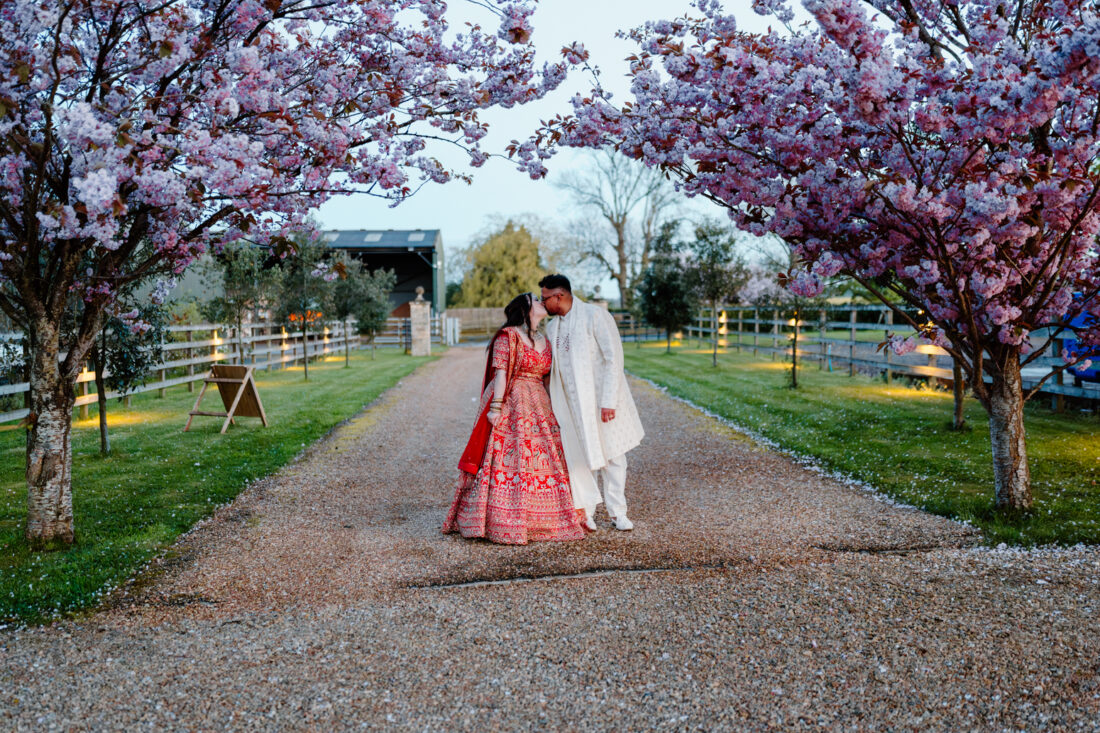
You should feel comfortable asking questions
Finally, you need to actually like your photographer.
You don’t need to become best friends, but you’re going to spend a huge amount of your wedding day around this person.
You should feel comfortable telling them what matters to you.
That includes conversations about culture.
You should be able to say:
“This tradition is really important to my family.”
Or:
“My partner and I have very different skin tones and I’m worried about how we’ll be photographed together.”
Or:
“My family situation is complicated, so please don’t automatically ask my parents to stand together.”
Or simply:
“I know you might not have photographed this tradition before, so can I explain what happens?”
None of those conversations should feel awkward.
A good photographer will want to know.
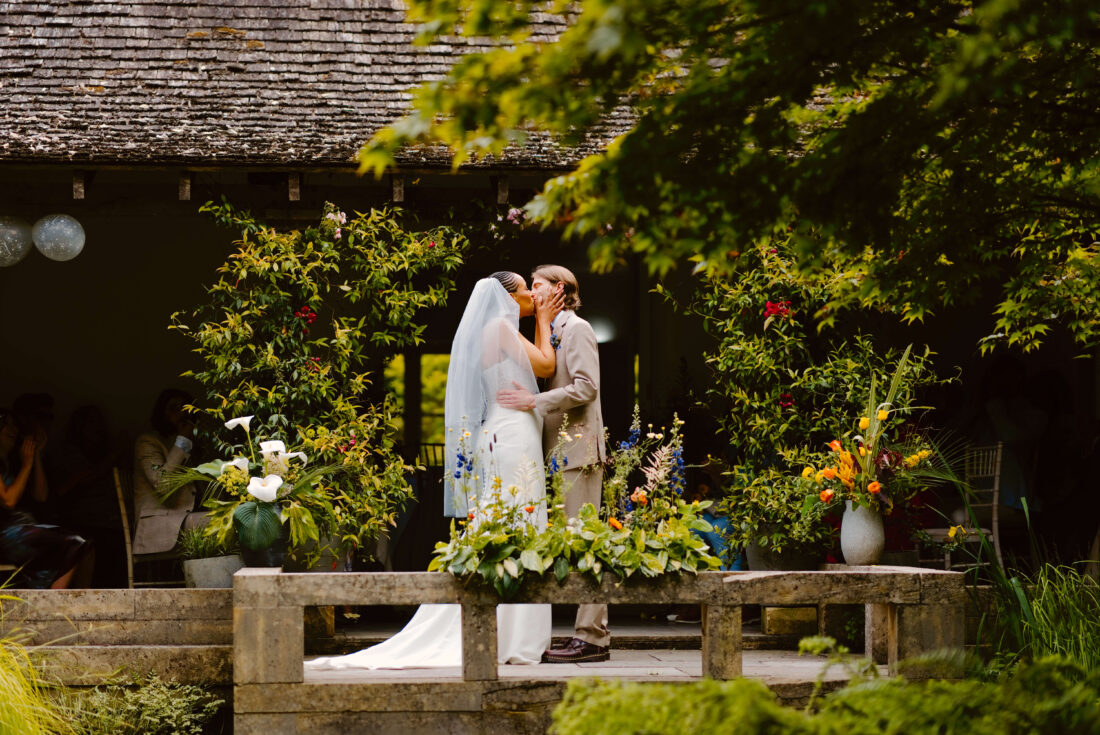
Your wedding doesn’t need to fit into one box
This is probably what I love most about multicultural and interracial weddings.
You don’t have to choose one version of yourselves.
Your wedding can have the traditional ceremony your family has been talking about for years and a completely chaotic party afterwards.
You can wear multiple outfits.
You can serve food from both cultures.
You can mix languages, music and traditions.
You can keep the traditions that mean something to you and leave out the ones that don’t.
And your photographs should reflect all of it.
For me, photographing multicultural weddings is about understanding that I’m not just documenting what everything looked like.
I’m documenting people, relationships, heritage, family, personality and all of the tiny moments happening where two worlds meet.
And that’s always going to be more interesting than trying to make every wedding look the same.
Commonly Asked Questions
What is a multicultural wedding photographer?
A multicultural wedding photographer is experienced in documenting weddings that bring together different cultures, traditions, religions or family backgrounds. The role isn’t about knowing every tradition in advance, but understanding how to prepare, ask the right questions and photograph important cultural moments respectfully.
Do I need a photographer who has photographed my exact culture before?
Not necessarily. Experience with multicultural weddings is valuable, but a good photographer should also be comfortable learning about traditions they haven’t encountered before and asking you what is particularly important to your family.
Can you photograph couples with different skin tones?
Yes. Photographing interracial couples requires an understanding of light, exposure and editing so that both partners’ skin tones remain natural and accurate throughout the wedding gallery.
Where do you photograph multicultural weddings?
Leesha photographs multicultural, interracial and queer weddings across London, the Midlands and throughout the UK.
Looking for a multicultural wedding photographer?
I’m Leesha, a Black queer wedding photographer and filmmaker photographing weddings across London, the Midlands and throughout the UK.
My approach is relaxed, documentary-led and centred around people. I photograph multicultural, interracial and queer couples with particular attention to natural skin tones, genuine emotion and all of the beautifully chaotic moments that make your wedding yours.